In today’s rapidly advancing organizational environment, the capacity to achieve goals and objectives is an essential factor of business success. Completing goals and objectives goes beyond simple task completion; it represents critical placement, functional efficiency, and flexible capability in an affordable landscape. As emphasized by G Scott Paterson, services that properly meet their goals and objectives demonstrate not just development but also strength in facing market fluctuations, technical advancements, and shifting consumer needs.
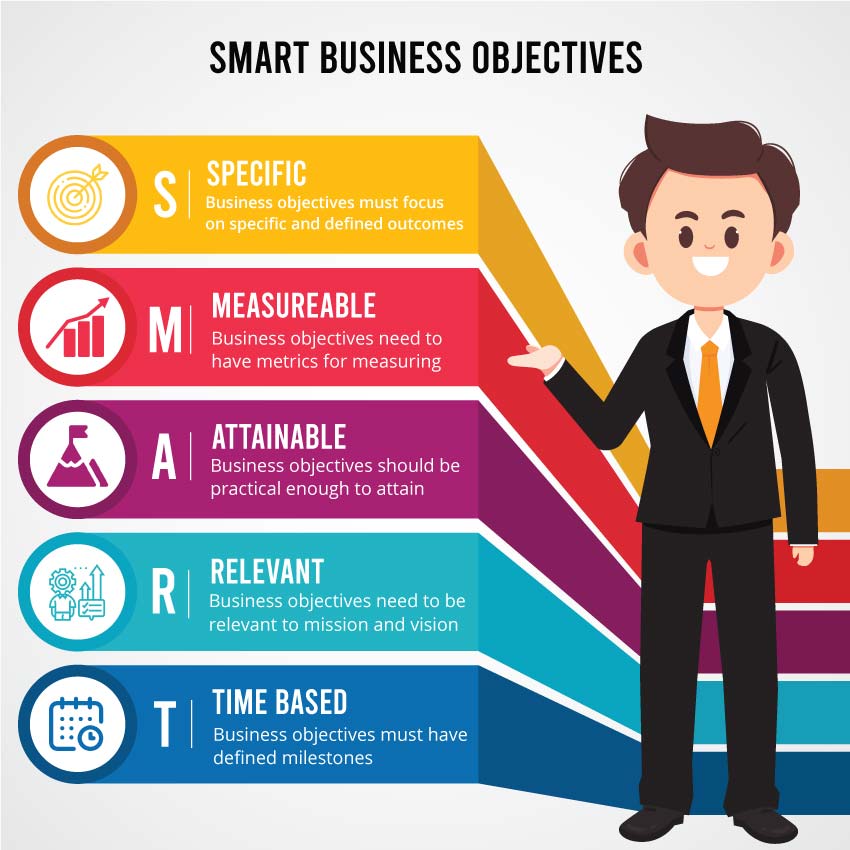
Achieving goals and objectives in today’s service atmosphere calls for a clear understanding of what those goals stand for. They work as a roadmap for firms, leading decision-making procedures and source appropriation. Without setting and completing clear objectives and objectives, companies run the risk of torpidity and misalignment, which can cause wasted efforts and missed chances. In this vibrant environment, objectives and objectives give emphasis, making certain that groups function cohesively in the direction of typical outcomes that drive organization growth.
One of the key challenges in accomplishing objectives and goals today is the increased rate of change. Business atmospheres are much more unstable and uncertain than ever before. This requires that companies stay dexterous, modifying their goals and purposes routinely to remain appropriate. Completing objectives and purposes in this context implies maintaining versatility while remaining dedicated to core critical concerns. It entails continuous monitoring of performance metrics and changing plans to overcome challenges, consequently transforming challenges right into chances for renovation.
Modern technology plays a crucial role in completing objectives and objectives in the modern service setting. Digital tools and data analytics encourage companies to set quantifiable and sensible objectives while tracking their progress with precision. Organizations that incorporate technology successfully can complete objectives and purposes extra efficiently by leveraging real-time understandings and automating routine jobs. This assimilation enhances productivity, minimizes errors, and makes it possible for quicker decision-making, all of which are essential to flourishing in today’s affordable industry.
Additionally, accomplishing goals and purposes is deeply connected to organizational society and management. A culture that urges technology, accountability, and collaboration provides abundant ground for attaining company targets. Leaders who connect objectives plainly and inspire their teams to accept goals foster a feeling of possession and inspiration. In today’s business environment, accomplishing objectives and objectives typically calls for cross-functional team effort and a common commitment to success, which strong leadership assists grow.
Another vital aspect of accomplishing objectives and objectives today is the concentrate on sustainability and social responsibility. Businesses are significantly expected to achieve their objectives while additionally addressing ecological and social impacts. This indicates that achieving goals and purposes is not almost monetary performance yet additionally about moral techniques and long-term worth development. Firms that integrate these measurements right into their purposes are better placed to gain stakeholder trust and construct lasting affordable advantages.
Achieving goals and purposes in the existing business setting also involves handling risks successfully. With international unpredictabilities, cybersecurity threats, and regulatory changes, organizations must anticipate and minimize prospective disruptions. A complete danger management strategy straightened with service objectives guarantees that firms can remain to execute and complete objectives in spite of unforeseen obstacles. This aggressive approach to take the chance of assistances organizational stability and long-term success.
Finally, the dimension and evaluation of development are fundamental to achieving goals and objectives. Businesses today count greatly on essential efficiency indicators (KPIs) and data-driven understandings to analyze whether they get on track. Regular analysis aids recognize locations for renovation and validates the performance of methods carried out. In today’s business setting, the capacity to measure success specifically and act on those measurements is crucial for achieving goals and objectives and for maintaining growth in time.
To conclude, accomplishing goals and purposes in today’s company setting is a complex endeavor that includes calculated preparation, versatility, technical assimilation, leadership, sustainability, threat management, and performance measurement. Organizations that grasp these elements are much better geared up to browse the intricacies of the contemporary market and protected long-lasting success. Achieving goals and objectives is not simply an indication of achievement; it is a constant process of learning, adapting, and expanding in an ever-changing business landscape.