Belly dancing is more than a performance—it’s a cultural and artistic expression that tells a story through fluid movement, rhythm, and style. One of the most captivating aspects of this dance form is the Belly Dance Costume. Often sparkling, colorful, and intricately designed, the belly dance costume serves as both a visual highlight and a vital element of the dancer’s identity and performance. It enhances the dancer’s movements while reflecting regional traditions, personal style, and historical roots.
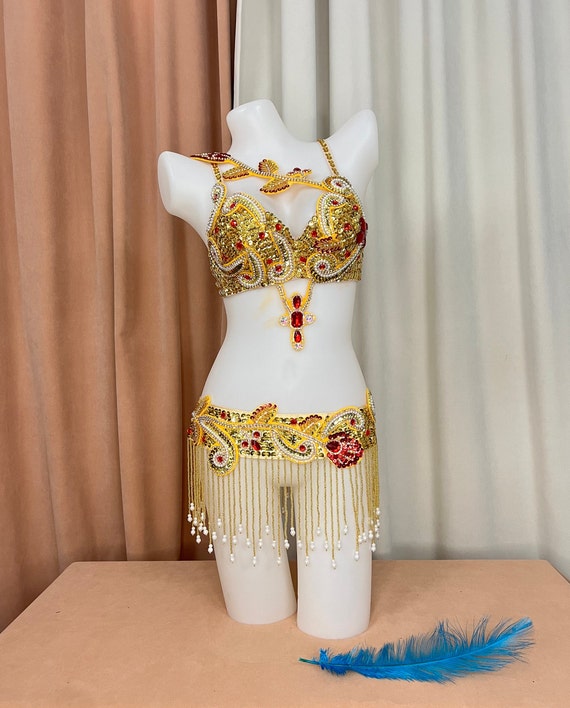
The belly dance costume varies significantly depending on the style of dance being performed, the country of origin, and the context in which the performance takes place. In Egypt, for example, traditional raqs sharqi dancers wear costumes featuring beaded bras and skirts, often adorned with sequins and fringe. In contrast, Turkish styles might include more elaborate headpieces and belts. Each belly dance costume is tailored to the type of music, movement, and cultural nuance of the dance, emphasizing the deep connection between attire and art form.
Beyond aesthetics, the belly dance costume is designed to accentuate the dancer’s body movements. Hip scarves, coin belts, and flowing skirts draw attention to shimmies, undulations, and isolations that define belly dancing. When the dancer moves, the embellishments on the belly dance costume shimmer and sway, creating a mesmerizing effect for the audience. This dynamic interaction between costume and motion plays a key role in captivating viewers and expressing the dancer’s skill and emotion.
A belly dance costume typically consists of several parts: a bra top, belt, and skirt or harem pants, though this can vary. Accessories such as arm cuffs, veils, and headpieces often complete the look. The fabric choice is also essential, with popular options including chiffon, silk, and velvet, all chosen to enhance flow and grace. The belly dance costume is not just a garment but an extension of the dancer’s body, designed to move with her and emphasize the rhythmic nature of the performance.
Historically, the origins of the belly dance costume trace back to folkloric roots where women danced in modest, loose clothing often accompanied by scarves and simple adornments. The glamorous belly dance costume seen today evolved with Western influence, particularly through Hollywood and cabaret culture in the early 20th century. This evolution led to the more revealing and glittering designs many associate with modern belly dance performances. Despite these changes, the essence of the belly dance costume remains grounded in its purpose—to celebrate the beauty of movement and femininity.
For many dancers, choosing a belly dance costume is a deeply personal decision. It reflects their style, heritage, and personality. Some dancers prefer traditional designs with authentic regional elements, while others embrace contemporary, fusion styles that incorporate modern fabrics, patterns, and cuts. Regardless of the choice, the belly dance costume must feel comfortable, allowing for full freedom of motion and confidence on stage. Dancers often spend hours or even days customizing their costumes to ensure they fit perfectly and complement their choreographed routines.
In addition to solo performers, group ensembles often coordinate their belly dance costumes to create a cohesive visual impact. Matching colors, fabrics, and designs help unify the group’s appearance and enhance the storytelling element of the dance. Whether in professional troupes or amateur circles, the process of selecting and designing a group belly dance costume fosters collaboration and a shared artistic vision, strengthening the community aspect of this dance form.
Maintenance and care of a belly dance costume are also important. Because of the delicate nature of the embellishments—sequins, beads, crystals, and coins—costumes require gentle cleaning and careful storage. Dancers often invest significant money and time into their belly dance costume, making it essential to protect it from wear and tear. Many dancers develop skills in sewing and costume repair, enabling them to adjust or mend their attire as needed between performances.
In today’s global market, belly dance costumes can be found in specialized dance shops, online stores, or custom-made by artisans. Many vendors offer unique, handmade pieces that cater to individual dancers’ specifications. Custom belly dance costume designers often work closely with performers to understand their needs, style, and the context of their performances, resulting in one-of-a-kind pieces that elevate the artistry of the dance.
Ultimately, the belly dance costume is more than ornamental. It is a powerful symbol of the dancer’s journey, cultural roots, and artistic passion. From traditional folkloric styles to modern fusion interpretations, the belly dance costume continues to evolve while staying true to its purpose—enhancing the beauty of the dance and expressing the story behind every movement. Whether adorned with coins, crystals, or vibrant embroidery, each belly dance costume tells a tale of tradition, transformation, and the timeless allure of rhythm and motion.